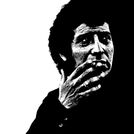
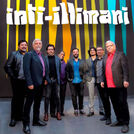
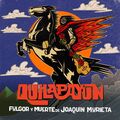
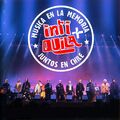
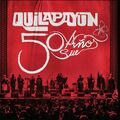
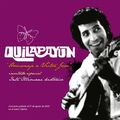
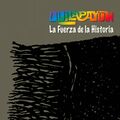
Quilapayún was formed in Santiago, Chile, in 1965 by Julio Numhauser and brothers Julio and Eduardo Carrasco, with Ángel Parra briefly guiding its earliest performances. Víctor Jara served as artistic director from 1966 to 1969, helping establish the ensemble’s black ponchos, Andean instrumentation, choral singing, and politically engaged approach. Numhauser departed in 1967 and Julio Carrasco followed in 1968, while Guillermo “Willy” Oddó became a central vocalist until his murder in Santiago in 1991. After releasing their self-titled debut in 1967, Quilapayún became one of the principal representatives of the Nueva Canción Chilena movement and supported Salvador Allende’s presidential campaign by recording “Venceremos.” Albums including Basta (1969), featuring “La muralla,” Cantata Santa María de Iquique (1970), Vivir como él (1971), and La fragua (1973) combined traditional Latin American music with poetry and political subjects. The group was touring Europe when Augusto Pinochet seized power in 1973 and consequently remained in exile in France, where it recorded Adelante (1975), La marche et le drapeau (1977), La revolución y las estrellas (1982), Survarío (1987), and later Latitudes (1992). Concert releases included Quilapayún en Chile (1989) and Música en la memoria – Juntos en Chile (2005), recorded with Inti-Illimani Histórico, while notable compilations included Quilapayún chante Neruda (1983), Antología 1968–1992 (1998), La vida contra la muerte (2005), and La fuerza de la historia (2006). Internal and legal disputes eventually divided the musicians into Chile- and France-based groups, but the Eduardo Carrasco-led faction secured exclusive Chilean rights to the Quilapayún name in 2015 and its European registration in 2020. Carrasco led a later lineup featuring Carlos Quezada, Hernán Gómez, Rubén Escudero, Ricardo Venegas, Ismael Oddó, and Sebastián Quezada; Guillermo García and Hugo Lagos were among the ensemble’s other long-serving members, while Ricardo “Caito” Venegas and Fernando Carrasco contributed to its recent recordings. Following Siempre (2007), Solistas (2009), and the guest-filled Encuentros (2013), Quilapayún was named a Fundamental Figure of Chilean Music by the SCD and received Chile’s President of the Republic Music Award in 2017. The group completed the Pablo Neruda-based cantata Fulgor y muerte de Joaquín Murieta in 2022 and released Sin por qué in 2023. Quilapayún celebrated its sixtieth anniversary with a series of Chilean concerts in 2025, including a performance at Santiago’s Teatro Caupolicán, and appeared at Lollapalooza Chile in 2026.