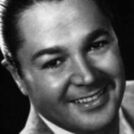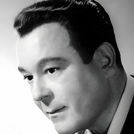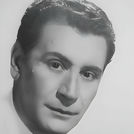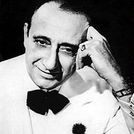
Héctor Varela was an Argentine tango bandoneonist, bandleader, and composer born as Salustiano Paco Varela on January 29, 1914, in Avellaneda. He achieved professional recognition for a musical career characterized by tango and for being nicknamed “El as del tango”. Varela achieved professional recognition for a career that began after he studied at the conservatory of Maestro Eladio Blanco and started performing professionally in 1929 with the orchestra of Salvador Grupillo. He achieved professional recognition for serving as the lead bandoneonist for the orchestra of Juan D'Arienzo starting in 1934 and contributing compositions including “Chichiponía” and “Bien polenta”. He achieved professional recognition for forming his own orchestra in 1939 and re-forming it in 1951 with the vocalist Armando Laborde and the vocalist Rodolfo Lesica. His recording career included recording a total of 383 tracks. The 1951 orchestra recorded for the label Pampa and performed at the venue Chantecler and the venue Marabú. His discography included the final recording for the label Columbia featuring the song “Que no muera este amor”. He achieved professional recognition for appearing on the television program Grandes Valores del Tango and in the movie La carpa del amor (1979). Varela died on January 30, 1987.
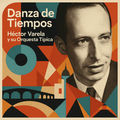
| Danza de Tiempos: Héctor Varela y su Orquesta Típica |

| Recuerdos de Buenos Aires - Soñando con el Tango |

|
Zorzales de Antaño: Argentino Ledezma y Hector Varela
|

|
Zorzales de Antaño: Ernesto Herrera con Orquesta Hector Varela
|

|
Zorzales de Antaño: Rodolfo Lessica con Orquesta Hector Varela
|
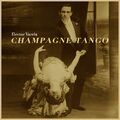
| Champagne Tango - La Edad de Oro del Tango Argentino |
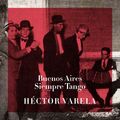
|
Buenos Aires Siempre Tango
|
| Mi Buenos Aires Querido - Héctor Varela Tangos |
|
Antología: El As Del Tango (Remastered)
|

|
Esenciales
|
|
La Historia de Héctor Varela
|
|
Así Bailaban Mis Abuelos
|
|
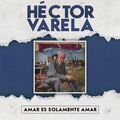
Amar Es Solamente Amar
|
|
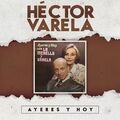
Ayeres y Hoy (Con la Merello y Varela)
|
|
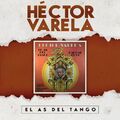
El As del Tango
|