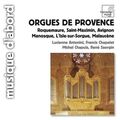
René Joseph Antoine Saorgin, born on October 31, 1928, in Cannes, France, was a French organist. He completed his musical studies first at the Conservatoire de Nice and later at the Conservatoire de Paris, where he studied harmony under Maurice Duruflé and earned first prizes in counterpoint and fugue in the class of Noël Gallon. He perfected his organ technique with Duruflé and Gaston Litaize, and with Fernando Germani at the Accademia Musicale Chigiana in Siena. In 1958, he won the first prize J.S. Bach at the International Competition in Gand. Saorgin served as organist at the Église Saint-Pierre de Montmartre in Paris from 1951 to 1954, professor of organ at the Conservatoire de Nice from 1954 to 1996, and titular of the organs at Saint-Jean-Baptiste du Vœu in Nice starting in 1954. From 1969 to 1971, he also directed the Conservatoire d'Ajaccio. Succeeding canon Henri Carol, he served as titular of the great Boisseau organs at Monaco Cathedral from 1984 until his retirement in December 2005. Saorgin was also a member of the Commission supérieure des monuments historiques, helping restore numerous historic organs. His extensive discography included a complete recording of Dietrich Buxtehude's L'Œuvre d'orgue, as well as the albums Les caractères de la variation en Europe aux XVIe et XVIIe siècles (1997), François Couperin's Messe à l'usage des paroisses, and his 2006 release L'orgue historique des frères Grinda (1791) dans la période révolutionnaire. In 2002, he was appointed Commander of the Order of Cultural Merit of Monaco. He died on December 16, 2015, in Nice, France.