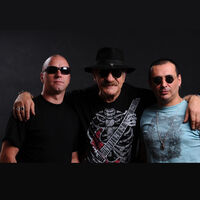
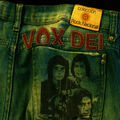
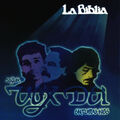
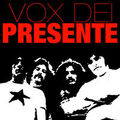
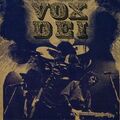
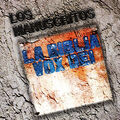
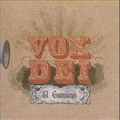
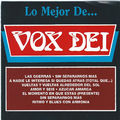
Formed in Quilmes, Argentina, in 1967, Vox Dei began as Mach 4, with Juan Carlos “Yody” Godoy and Ricardo Soulé on guitar and vocals, Willy Quiroga on bass and vocals, and Rubén Basoalto on drums. The group first played English-language covers, then switched to Spanish after Luis Alberto Spinetta encouraged them to sing in their own language. Their debut album, Caliente (1970), featured Soulé’s “Presente (El momento en que estás).” Vox Dei followed it with La Biblia (1971), an early landmark of Argentine concept rock; after reviewing the lyrics, the Catholic Archdiocese recommended the album to young listeners. The band’s power-trio lineup of Soulé, Quiroga and Basoalto recorded Jeremías pies de plomo (1972), Cuero caliente (1972) and La nave infernal (1973), before continuing with albums including Estamos en la pecera (1975) and Ciegos de siglos (1976). Soulé left in 1974 and returned for several later periods, including a 2013–14 reunion with Quiroga and Godoy. Vox Dei also reunited for Tengo razones para seguir (1988), Sin darle ya más vueltas (1994), and a 1997 re-recording of La Biblia. Their final studio album, El camino, arrived in 2005. After Basoalto died in 2010, Quiroga’s son Simón took over on drums, and the band continued with guitarist Carlos Gardellini. A 2017 court ruling led Quiroga to perform under the name Willy Quiroga Vox Dei. He announced his retirement in 2024, ending the band’s performing career, and died later that year on November 21, aged 84. Archival releases followed: La Cinta Perdida (2025), drawn from a 1992 recording, and the live album En Vivo en Tecnópolis (2026), documenting a 2022 concert. Ricardo Soulé died on October 2, 2026, aged 76.