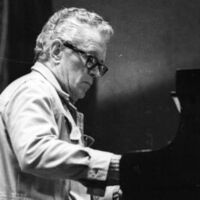
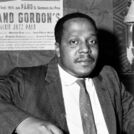
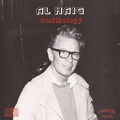
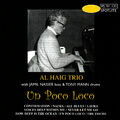
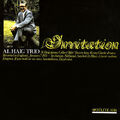
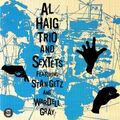
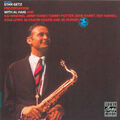
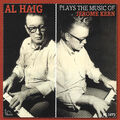
Like many of his fellow jazz musicians, Al Haig learned to play the piano in middle school. When the war broke out, he was drafted into the military band from 1942 to 1944. After completing his limited military service, he played in Boston. In 1945, he was hired by Charlie Parker and Dizzy Gillespie and appeared on historic recording sessions, such as “Salt Peanuts, ” “Hot House, ” and “Lover Man.” A regular on New York’s 52nd Street, this pianist—a pillar of bebop alongside Bud Powell, Thelonious Monk, Duke Jordan, Thelonious Monk, and John Lewis, disappeared from the jazz scene between 1950 and 1970 (except for a few rare appearances with Dizzy Gillespie in 1956 and Chet Baker in 1954). After this hiatus, Al Haig performed mostly as a soloist in clubs and toured Europe a few times between 1977 and 1980. Al Haig is somewhat of a forgotten pianist from the bebop era. He was the first white bebop pianist.