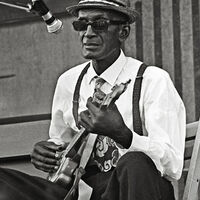
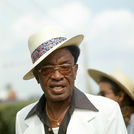
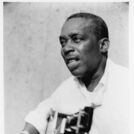
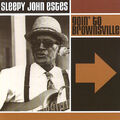
Certainly one of the most influential figures in the history of the blues, and the visionary composer of many classics ("Someday Baby", "Diving Duck Blues", Milk Cow Blues), Sleepy John Estes began recording blues in Memphis in 1929, in which his expressive, dying voice is underlined by dominant harmonica playing (Hammie Nixon, Noah Lewi, Robert Nighthawk). A bittersweet chronicler of the segregated South, Estes enjoyed great popularity in Memphis and then Chicago. He played a significant role in defining the styles of these two cities. After the war, he was eclipsed for a long time. Rediscovered in 1962, he appeared at numerous festivals in the U.S. and Europe, and recorded a number of LPs that all too often betrayed his extreme tiredness.
|
Goin' To Brownsville
|
| 50 Years of Jazz and Blues: Blues |
|
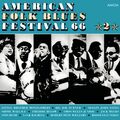
American Folk Blues Festival 66 Vol.1
|
|
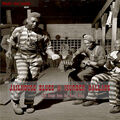
Jailhouse Blues & Murder Ballads
|
| Memphis Blues - 100 Vintage Tracks |
|
American Epic: The Collection
|
| The Blues Revival, Vol. 1 (1963-1969) |
|
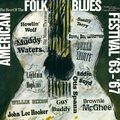
The Best of the American Folk Blues Festival '63 - '67 (Live)
|
|
More Original Blues Favorites
|
| 100 Christmas Blues - Songs to Get You Through the Cold |
|
Epic Americana
|
|
American Folk Blues Festival (66)
|
| American Folk Music |
| Hits of Memphis Blues |
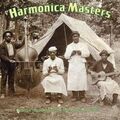
| Harmonica Masters |