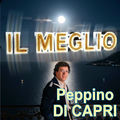
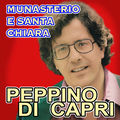
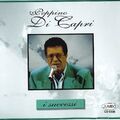
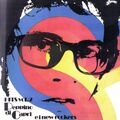
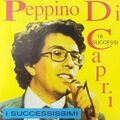
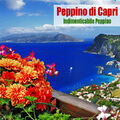
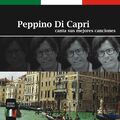
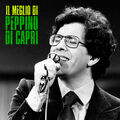
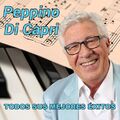
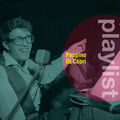
Giuseppe Faiella, known professionally as Peppino di Capri, was born in 1939 on the island of Capri, Italy, and grew up in a musical household where his grandfather played in the local band and his father Bernardo, a record and instrument shop owner, played saxophone and cello in an orchestra in his spare time. According to an account that has never been confirmed, he first appeared on stage at four, performing piano alongside his older sister Margherita for American troops stationed on Capri in 1943, and he later began classical piano study at six under a German teacher in Naples. In 1953 he began performing with friend Ettore Falconieri as Duo Caprese, and the pair appeared on the 1956 television program Primo Applauso. The duo's momentum led to the formation of Capri Boys, whose nightclub performances attracted a record label executive who signed them as Peppino di Capri e i suoi Rockers. Their debut singles in 1958, the Neapolitan-language tracks "Malattia" and "Nun è Peccato", followed, with the latter becoming an instant hit and launching Peppino di Capri on tour the following year; a series of releases followed that blended Italian twists, English verses, and original compositions. A 1961 film cameo showcased his dual role as actor and singer, and the 1965 Italian Beatles tour provided further exposure, helping him and his group pursue international popularity, especially in Brazil, where his recordings continue to be reissued as of 2023. In 1966 he recorded Operazione sole, considered one of the first Italian ska songs, though the years that followed saw a lull; a 1967 Sanremo entry with "Dedicato all'amore" failed to reach the final, but he later won Sanremo twice, in 1973 with "Un grande amore e niente più" and in 1976 with "Non lo faccio più". Between 1970 and 1975 he released multiple albums, including the Napoli ieri – Napoli oggi series, and formed I New Rockers. Throughout the 1980s he experimented with contemporary styles, releasing Con in testa strane idee in 1980 and Zitto zitto in 1985, and revived past successes with modern arrangements on Juke Box in 1982. His 1991 Eurovision entry "Comme è ddoce 'o mare" placed seventh for Italy. In 2008 he celebrated fifty years with the 50° DVD and, in 2011, released Magnifique, revisiting classics such as Edith Piaf's "Hymne à l'amour". His final studio album, Mister…Peppino di Capri, came in 2019, featuring the single "Vorrei rivivere". Peppino di Capri passed away in 2026 in Capri after a prolonged illness, a few days before his 87th birthday; his funeral was held at the Church of Santo Stefano, and the city declared a day of mourning. His legacy endured through the 2025 Rai 1 biopic Champagne, which aired the year before his death, with his approval.